Cut Base Weight First
4 needsPack, shelter, and sleep insulation are roughly three quarters of your base weight. Fixing those three beats sawing the handle off a toothbrush, which is where people start and should not.
A Scale To Weigh It With
The cheapest thing on this page and the one that makes every other decision real. Catalog weights are optimistic by an ounce or two per item, which compounds to over a pound across a full loadout. Weigh everything once, put the true numbers into Trekkr, and stop guessing.
The Pack Itself
Going from a five pound pack to a two pound pack is three pounds you never carry again on any trip, which no amount of gram-shaving elsewhere will match. The catch is real: frameless packs carry badly over about 25 pounds, so cut the rest of your load FIRST and buy the pack last.
 Better
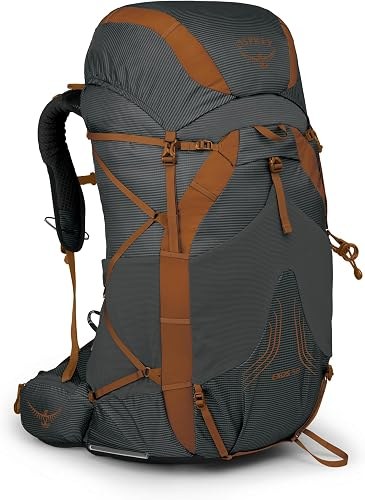
Osprey Exos 58
$260 to $300
The sweet spot you can actually buy here: about 2 lb 12 oz, and it carries 30 to 35 pounds without complaint. The genuinely lighter packs are cottage brands that only sell direct.
See It On Amazon
Better
Osprey Exos 58
$260 to $300
The sweet spot you can actually buy here: about 2 lb 12 oz, and it carries 30 to 35 pounds without complaint. The genuinely lighter packs are cottage brands that only sell direct.
See It On Amazon
 Best
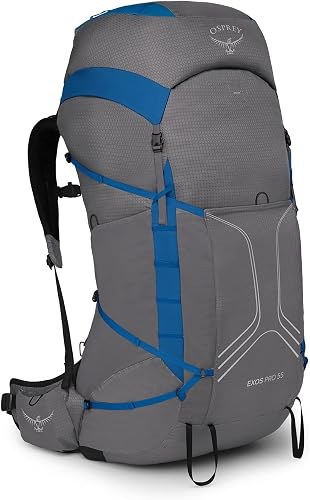
Osprey Exos Pro 55
$320 to $380
Around a pound lighter than the Exos for a lot more money, in thinner fabric that abrades faster. A poor first ultralight pack, a good second one.
See It On Amazon
Best
Osprey Exos Pro 55
$320 to $380
Around a pound lighter than the Exos for a lot more money, in thinner fabric that abrades faster. A poor first ultralight pack, a good second one.
See It On Amazon
Shelter
Pitching on the trekking poles you already carry saves roughly a pound over a freestanding double wall of the same floor area. The tradeoff is real: on solid rock and wooden tent platforms you will wish you had poles that stood up by themselves.
 Better
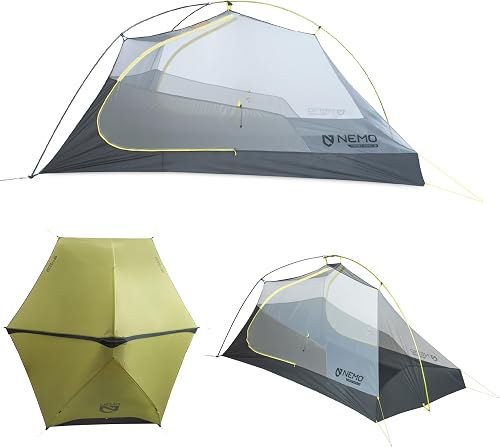
NEMO Hornet OSMO 1P
$380 to $450
Semi-freestanding at about 2 lb, so it pitches on rock and on tent platforms where a trekking-pole shelter cannot. Honest caveat: a pole shelter saves another pound, and those are cottage-direct.
See It On Amazon
Best
Trekking Pole Tent, Bought Direct
$300 to $700
The real answer is not on Amazon. Durston, Zpacks and Six Moon Designs sell direct and beat anything listed here on weight per dollar. This search shows the generic copies; go buy direct instead.
Look It Up On Amazon
Better
NEMO Hornet OSMO 1P
$380 to $450
Semi-freestanding at about 2 lb, so it pitches on rock and on tent platforms where a trekking-pole shelter cannot. Honest caveat: a pole shelter saves another pound, and those are cottage-direct.
See It On Amazon
Best
Trekking Pole Tent, Bought Direct
$300 to $700
The real answer is not on Amazon. Durston, Zpacks and Six Moon Designs sell direct and beat anything listed here on weight per dollar. This search shows the generic copies; go buy direct instead.
Look It Up On Amazon
Sleep Insulation
A quilt drops the insulation you crush flat under your back and the zipper you never use, so it is warmer per ounce than a bag of the same fill. Most side sleepers adapt in about two nights. If you genuinely thrash in your sleep, a bag is the honest answer and you should keep yours.
 Better
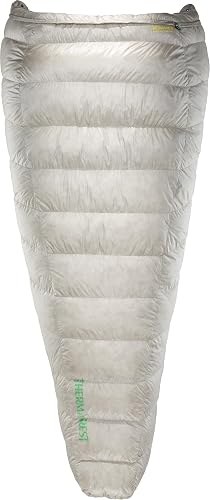
Therm-a-Rest Vesper 20F Quilt
$300 to $380
Three-season answer for most of the country, 900-fill, and one of the very few real quilts sold here rather than direct.
See It On Amazon
Best
Custom Quilt, Bought Direct
$350 to $550
Enlightened Equipment and Katabatic build to your temperature rating, width and fill, and they do not sell here. Only worth it if you actually camp below freezing; an overkill quilt is dead weight nine months a year.
Look It Up On Amazon
Better
Therm-a-Rest Vesper 20F Quilt
$300 to $380
Three-season answer for most of the country, 900-fill, and one of the very few real quilts sold here rather than direct.
See It On Amazon
Best
Custom Quilt, Bought Direct
$350 to $550
Enlightened Equipment and Katabatic build to your temperature rating, width and fill, and they do not sell here. Only worth it if you actually camp below freezing; an overkill quilt is dead weight nine months a year.
Look It Up On Amazon